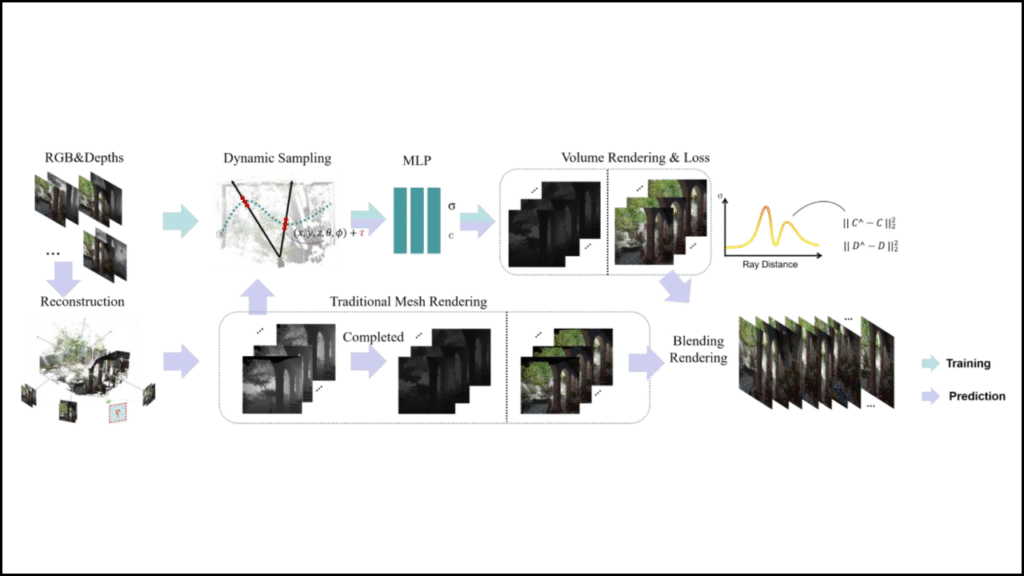
Volumetric rendering describes a way of showing how light travels through materials such as fog, smoke, clouds, fire, or translucent objects. The technique creates images that look soft, natural, and full of depth. The method is widely used in modern graphics because it can represent scenes that traditional surface-based rendering cannot capture. The approach is now common in films, games, simulations, and scientific tools.
Table of Contents
What Volumetric Rendering Means
Basic Meaning
Volumetric rendering displays objects not just as surfaces but as volumes filled with particles. Instead of drawing only the outside layer of an object, the renderer looks inside the object and calculates how light interacts with every small portion of its volume.
Key Ideas Made Simple
- Volume represents a 3D region filled with matter such as dust, air, water droplets, fire particles, or gas.
- Density tells how thick the material is at each point of the volume.
- Color absorption explains how light gets weaker while passing through the volume.
- Emission shows how the volume produces its own light (like fire).
- Scattering describes how light changes direction when it touches particles inside the volume.
These ideas work together to create images that look realistic and natural.
How Volumetric Rendering Works
Step-by-Step Logic
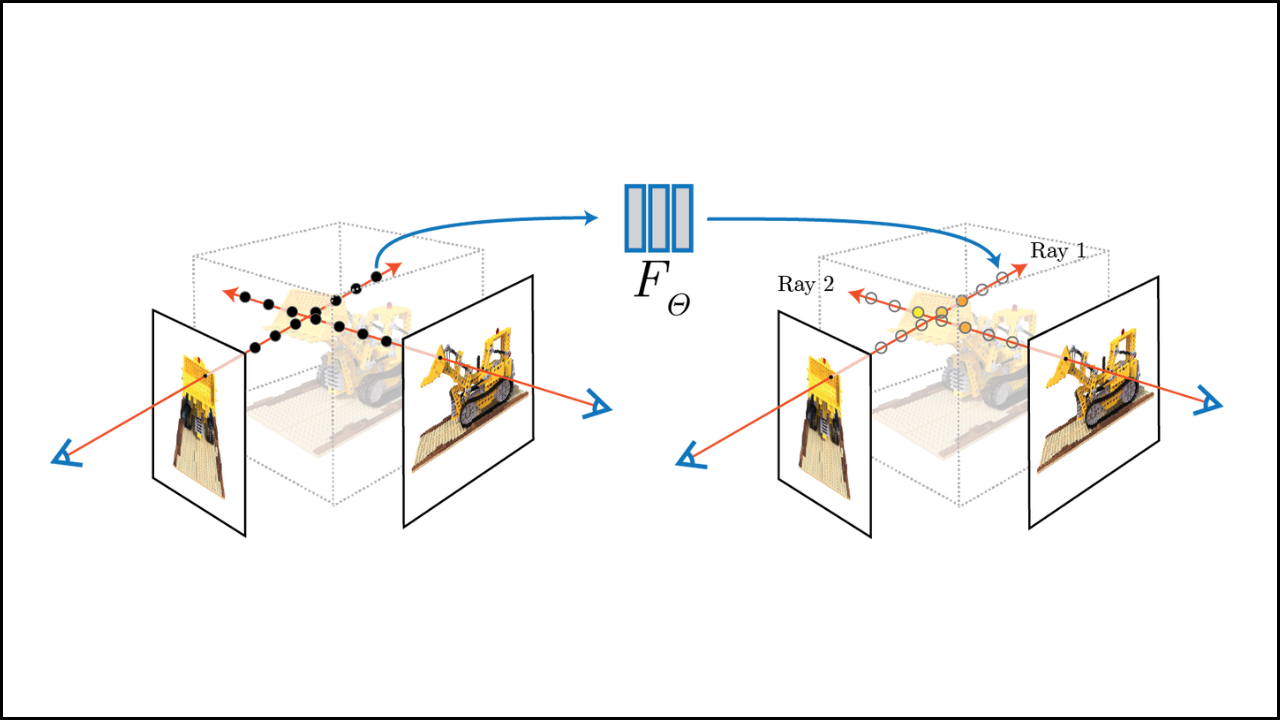
- Ray creation begins when a ray of light is cast from the camera through every pixel.
- Volume sampling happens when the ray is divided into multiple small steps inside the volume.
- Light interaction is calculated at each step to measure absorption, scattering, and emission.
- Accumulated color is built from all the steps until the final pixel color is decided.
- Depth and softness appear from this repeated sampling and blending process.
Important Components
- Ray marching
- Breaks a ray into tiny segments
- Calculates color and light at every segment
- Density fields
- Store how thick or thin the particles are in each part of the scene
- Phase functions
- Determine how light scatters
- Commonly used examples include isotropic scattering and Henyey–Greenstein scattering
Key Terms in Volumetric Rendering
| Term | Meaning |
|---|---|
| Volume | A 3D space filled with particles such as smoke or fog |
| Density | The thickness of the particles at any point |
| Absorption | The loss of light as it travels through a volume |
| Emission | Light produced by the volume itself |
| Scattering | Direction change of light caused by particle interaction |
| Ray Marching | Technique of stepping through the volume in small intervals |
| Phase Function | Formula that controls how light scatters inside the volume |
Where Volumetric Rendering Is Used
1. Film and Television
- Meaningful use appears in scenes with mystical lighting, smoke-filled battlefields, or dramatic sunsets.
- Cinematic shots become richer because volumetric effects add natural glow and softness.
2. Video Games
- Real-time volumetric rendering gives games dynamic fog, god rays, storms, and smoky explosions.
- Modern consoles and GPUs handle these effects efficiently.
3. Virtual Reality
- Immersive experiences depend on realistic lighting and atmospheric depth.
- Volumetric rendering increases presence by simulating natural air effects.
4. Scientific Visualization
- Medical scans such as MRI and CT use volumetric rendering to create 3D views of organs and tissues.
- Atmospheric data is displayed in meteorological studies through 3D cloud models and pollution maps.
5. Industrial Design and Engineering
- Complex materials such as translucent plastics, glass, and gels are visualized using volumes rather than surfaces.
- Designers understand how materials interact with light before manufacturing.
Popular Applications of Volumetric Rendering
| Application Area | How Volumetric Rendering Helps |
|---|---|
| Film Production | Creates fog, fire, explosions, magical effects, and soft atmospheric lighting |
| Game Development | Adds real-time mist, dust, smoke, and god rays |
| Virtual Reality | Enhances immersion through depth-rich environments |
| Medical Imaging | Displays 3D internal structures from scan data |
| Weather Simulation | Models clouds, storms, and pollutant distribution |
| Material Design | Shows how translucent materials behave under light |
Why Volumetric Rendering Matters
Realistic Atmosphere
- Natural scenes often contain small particles that affect light.
- Volumetric techniques recreate these particles, giving images a lifelike mood.
Better Storytelling
- Soft environmental effects shift emotional tone in films and games.
- Directors and designers gain more artistic control.
Accurate Scientific Interpretation
- Clear 3D visualizations help scientists understand complex internal structures.
- Medical and research fields benefit from improved insight.
Modern Advancements in Volumetric Rendering
Neural Techniques
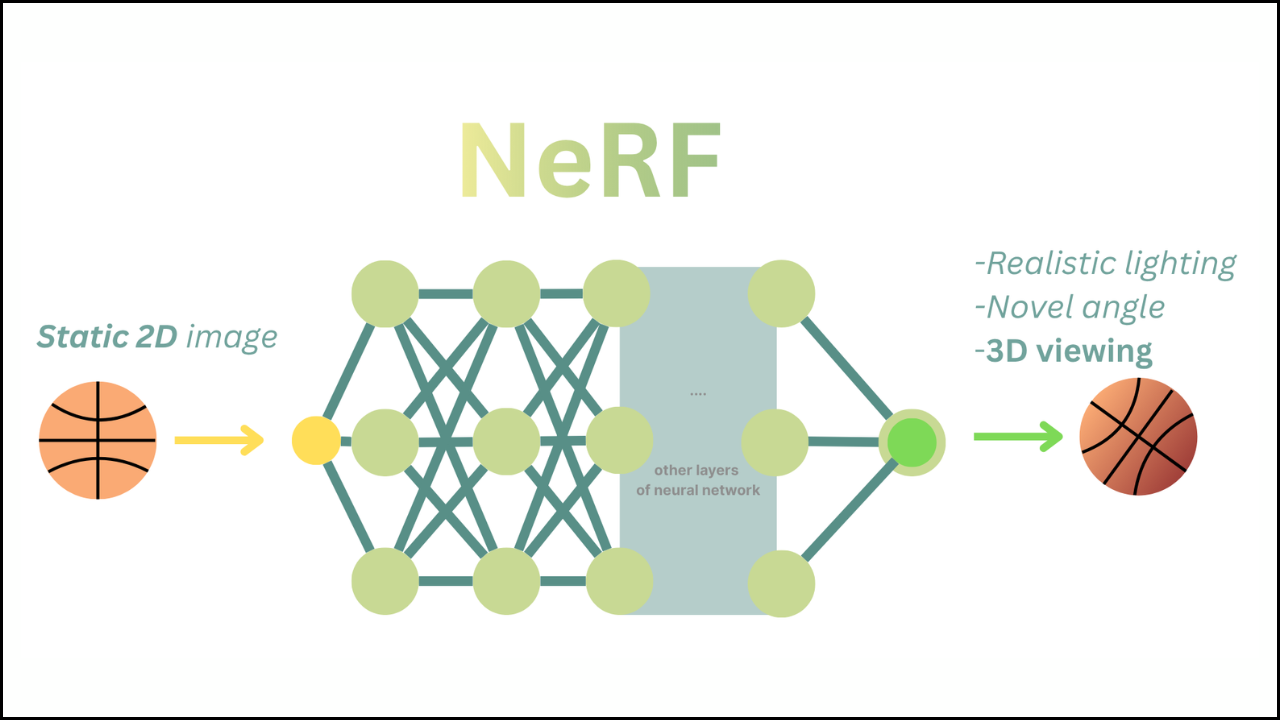
- Neural networks now accelerate volumetric rendering in NeRF-based systems.
- Rendering becomes faster and more detailed without manual modeling.
Hybrid Rendering
- Many systems combine traditional rasterization with volumetric effects.
- Games and simulations achieve higher performance without losing realism.
GPU Improvements
- Better hardware can handle thousands of samples per frame.
- Real-time volumetric clouds and lighting are now common.
Key Takeaways
Volumetric rendering stands as a foundational technique in modern graphics, explaining how light moves through space filled with particles. The method allows films, games, scientific tools, and VR platforms to present scenes with natural depth, softness, and realism. The approach continues to expand as neural rendering and GPU technology grow, ensuring that future visual experiences become even more immersive and accurate.