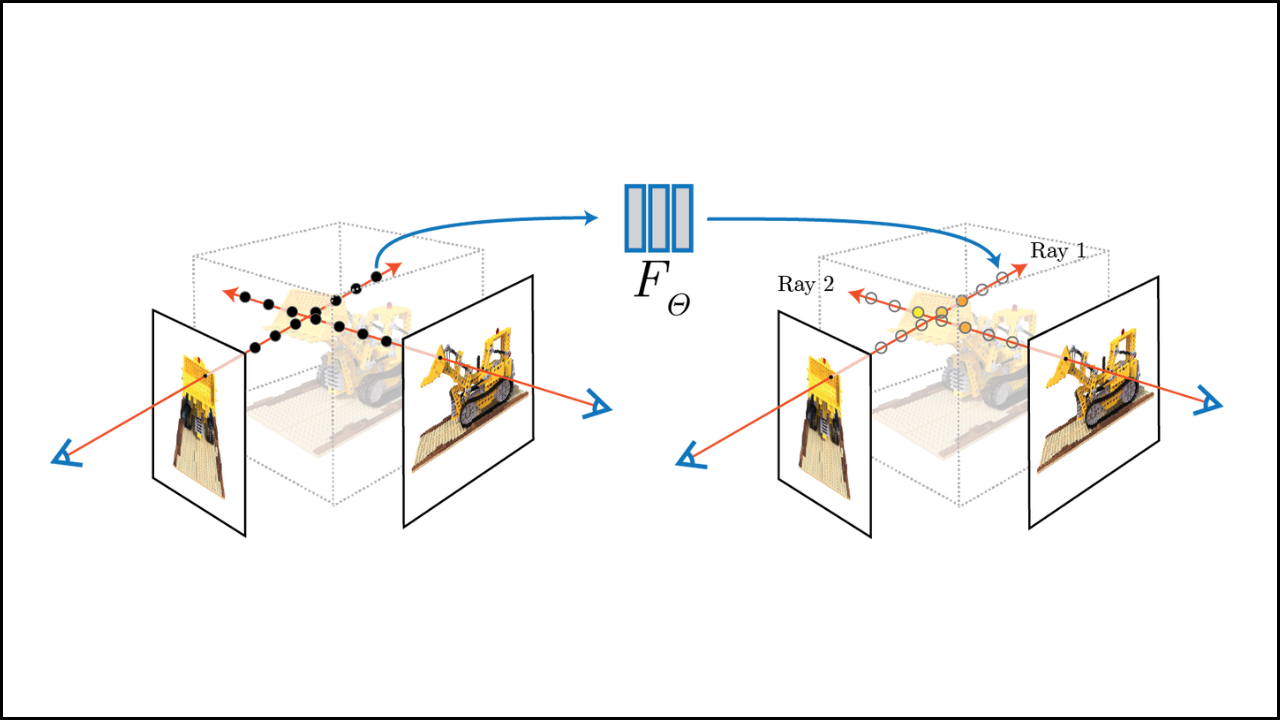
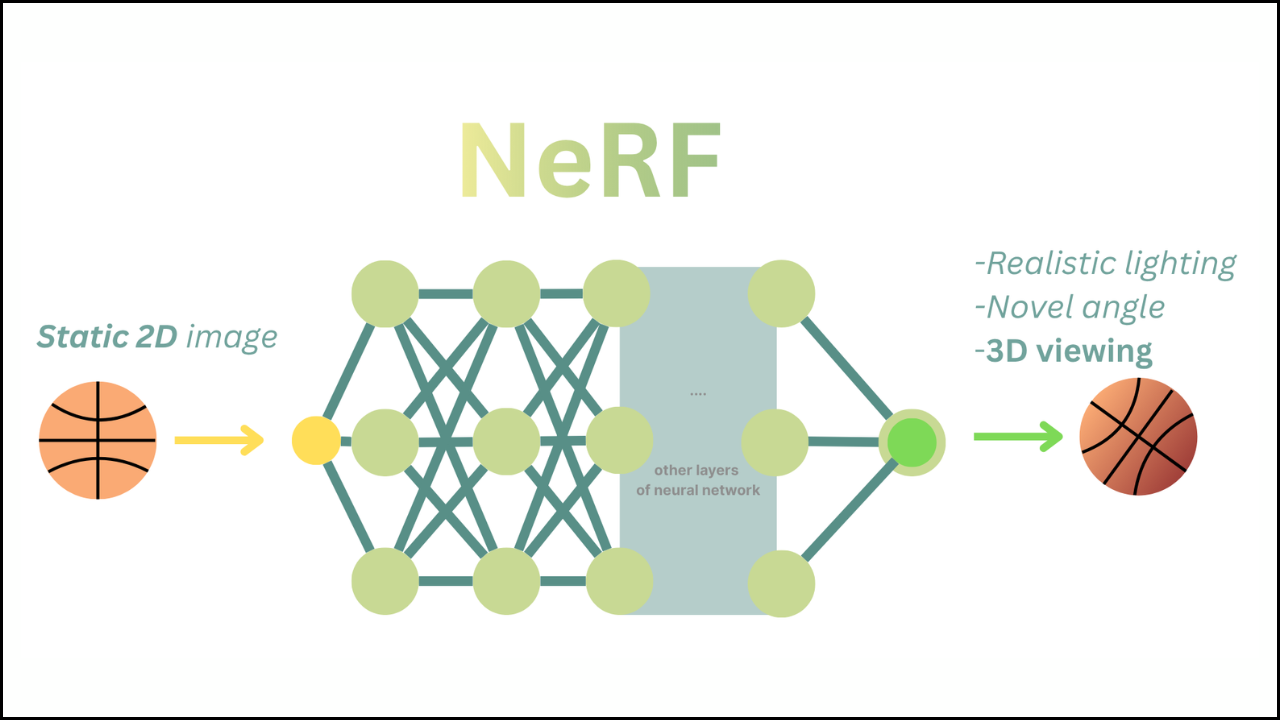
Neural Radiance Fields (NeRF) provide realistic 3D scene reconstructions using 2D images. In architecture and gaming, NeRF enables immersive visualization, accurate spatial modeling, and interactive experiences. High-quality reconstructions support design evaluation, virtual walkthroughs, and photorealistic content generation, bridging the gap between virtual and real environments.
Table of Contents
Importance of NeRF in Architecture
Allows architects to visualize proposed designs from multiple viewpoints.
Supports digital twins for renovation, retrofitting, and maintenance planning.
Enhances collaboration between clients and design teams with realistic 3D previews.
Reduces reliance on expensive physical models or multiple prototypes.
Facilitates accurate lighting and material simulation for interior and exterior design.
Importance of NeRF in Gaming
Generates immersive 3D environments from real-world photographs.
Reduces asset creation time for large-scale open-world games.
Supports photorealistic textures and lighting without manual modeling.
Enables dynamic scene adaptation and virtual cinematography.
Enhances realism in virtual reality (VR) and augmented reality (AR) experiences.
NeRF Workflow for Architecture
Stage
Purpose
Image Capture
Collect 2D images of existing structures or mockups.
Camera Calibration
Record intrinsic and extrinsic parameters for accurate reconstruction.
NeRF Training
Generate volumetric scene representation using images.
Visualization
Render photorealistic views for walkthroughs or presentations.
Analysis & Feedback
Evaluate spatial layout, lighting, and material choices.
NeRF Workflow for Gaming
Stage
Purpose
Environment Scanning
Capture real-world locations or sets via photographs.
Scene Reconstruction
Train NeRF to produce dense volumetric representation.
Texture and Lighting Refinement
Apply high-fidelity textures and realistic lighting models.
Integration with Game Engine
Convert NeRF outputs into engine-compatible assets.
Gameplay Testing
Evaluate performance and immersion in interactive scenarios.
Easy integration with BIM (Building Information Modeling) workflows.
Supports virtual walkthroughs and client presentations.
Reduces cost and time compared to physical models.
Allows early detection of design flaws or spatial conflicts.
Advantages of NeRF in Gaming
Rapid scene creation accelerates game development timelines.
Dynamic scene rendering enables procedural generation of content.
Supports realistic lighting, shadows, and reflections.
Enhances VR/AR immersion without heavy manual modeling.
Provides scalable solutions for large open-world environments.
Challenges in Real-World NeRF Applications
Challenge
Impact
High Computational Cost
Training NeRF requires powerful GPUs and time-intensive processes.
Large Dataset Requirement
Needs many images from diverse angles for accurate reconstruction.
Dynamic Objects
Moving objects in real scenes create inconsistencies.
Lighting Variability
Changes in illumination affect photorealism.
Engine Integration
Converting volumetric outputs to game-engine assets can be complex.
Best Practices for Architecture
Capture images systematically with overlapping coverage.
Use high-resolution cameras to preserve fine details.
Include exterior and interior viewpoints for holistic models.
Regularly validate reconstructions with real-world measurements.
Combine NeRF with CAD/BIM models for hybrid visualization.
Best Practices for Gaming
Use controlled lighting for consistent textures.
Capture scenes from multiple angles to reduce holes in reconstruction.
Optimize NeRF models for real-time rendering or lower resolution versions.
Integrate volumetric representations with mesh-based LODs for performance.
Test extensively in VR/AR environments to ensure realism and immersion.
Future Directions
Area
Potential Development
Real-Time NeRF
Reducing training time for on-the-fly scene rendering.
Hybrid Modeling
Combining NeRF with traditional 3D assets for optimization.
Dynamic Scene Handling
Incorporating moving objects and variable lighting.
Game Engine Tools
Dedicated plugins for Unreal Engine, Unity, and others.
Photorealistic VR
Fully immersive experiences with volumetric lighting.
Closing Perspectives
NeRF has transformative potential in architecture and gaming. In architecture, it enables realistic visualization, virtual walkthroughs, and design validation. In gaming, it accelerates asset creation, produces photorealistic environments, and enhances immersive VR/AR experiences. While challenges such as computation cost and data requirements exist, adopting best practices and hybrid approaches ensures high-quality results. The continued development of real-time NeRF and engine integration promises even broader applications across creative industries.
She is a creative and dedicated content writer who loves turning ideas into clear and engaging stories. She writes blog posts and articles that connect with readers. She ensures every piece of content is well-structured and easy to understand. Her writing helps our brand share useful information and build strong relationships with our audience.